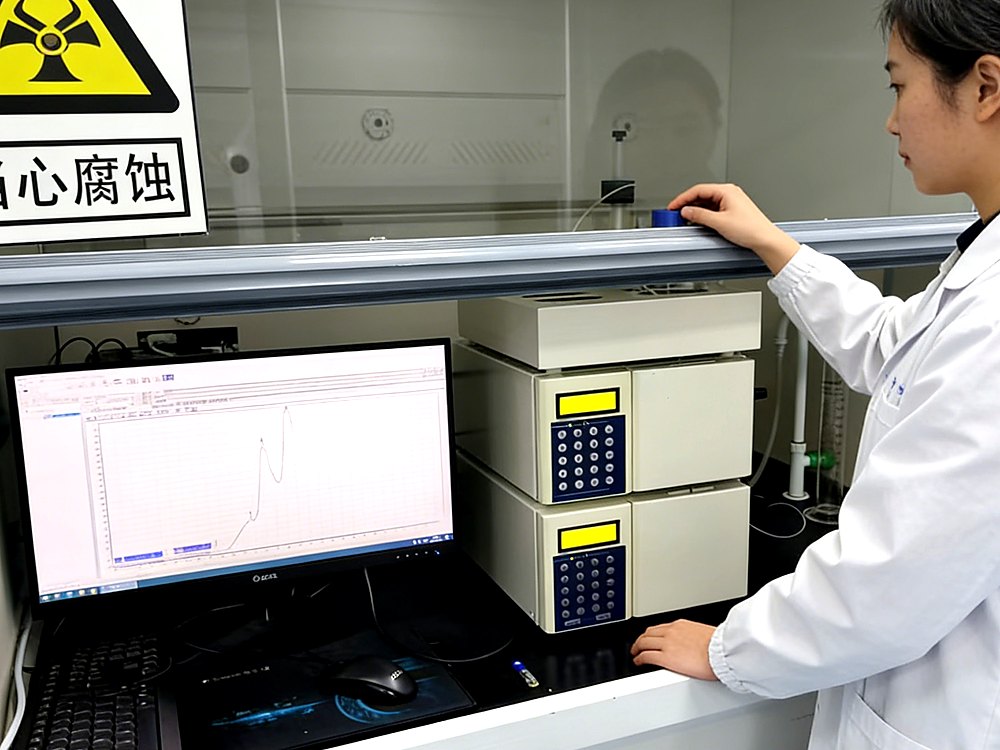
Confirm GC suitability
The analytes and preparation method come first.
Volatility and thermal stability
Sample matrix and concentration
Direct injection, headspace, or purge-and-trap preparation
Applicable standard or validated method
Select a GC from analytes, sample introduction, column, detector, gas supply, temperature program, automation, and data requirements.
Direct Answer
The analytes and preparation method come first.
Volatility and thermal stability
Sample matrix and concentration
Direct injection, headspace, or purge-and-trap preparation
Applicable standard or validated method
Column and detector choices must match the analytes.
Column phase, dimensions, and temperature limits
Injector type and split conditions
Detector selectivity and sensitivity
Oven temperature program
GC performance depends on gas and installation quality.
Carrier and detector gas purity
Regulators, filters, tubing, and leak checks
Ventilation and bench requirements
Autosampler, workstation, spares, and training
Target compound list
Sample matrix and preparation
Applicable method
Column and detector
Gas supply
Throughput and automation
Voltage and documents
These products are relevant starting points; final suitability depends on the complete method and configuration.
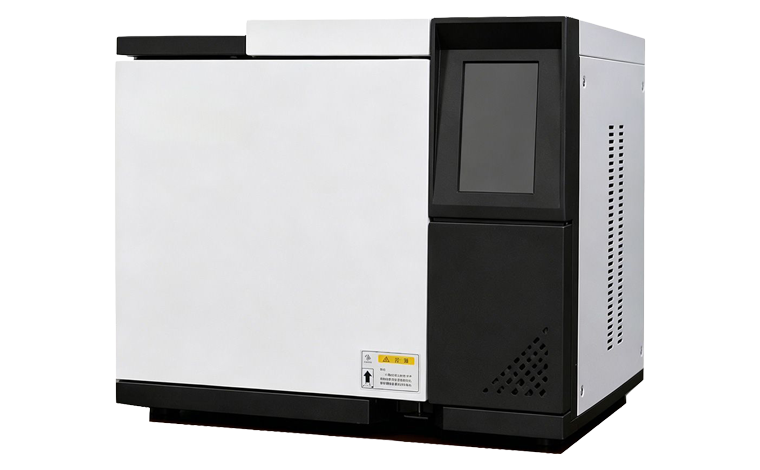
GC-8500
Gas chromatography system for routine volatile and semi-volatile compound analysis in quality control and testing labs.
Workflow fit
Sample injection -> Separation method -> Detector output -> Chromatogram review
RFQ: Target method or analytes
RFQ: Detector and pump configuration
Environmental VOC analysis / Food and flavor analysis
Details
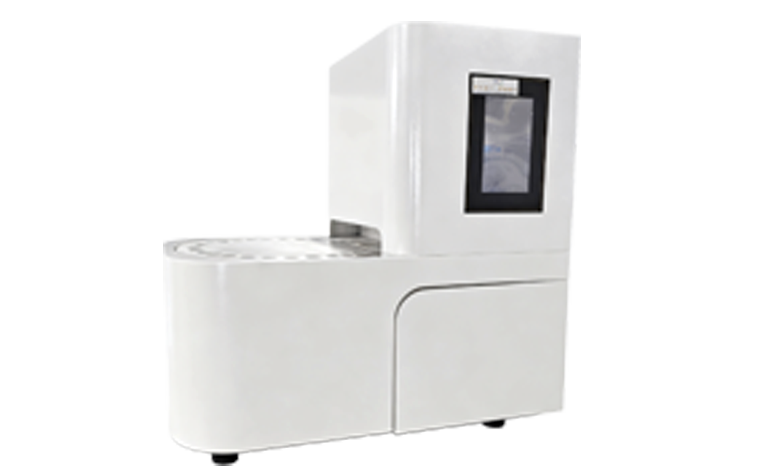
Automatic purge and trap system for VOC sample preparation before gas chromatography analysis.
Workflow fit
Sample pretreatment -> Matrix digestion or VOC transfer -> Downstream instrument connection -> Method-ready sample
RFQ: Sample matrix and target method
RFQ: Throughput and vessel or trap configuration
VOC sample preparation / Environmental water testing
Details