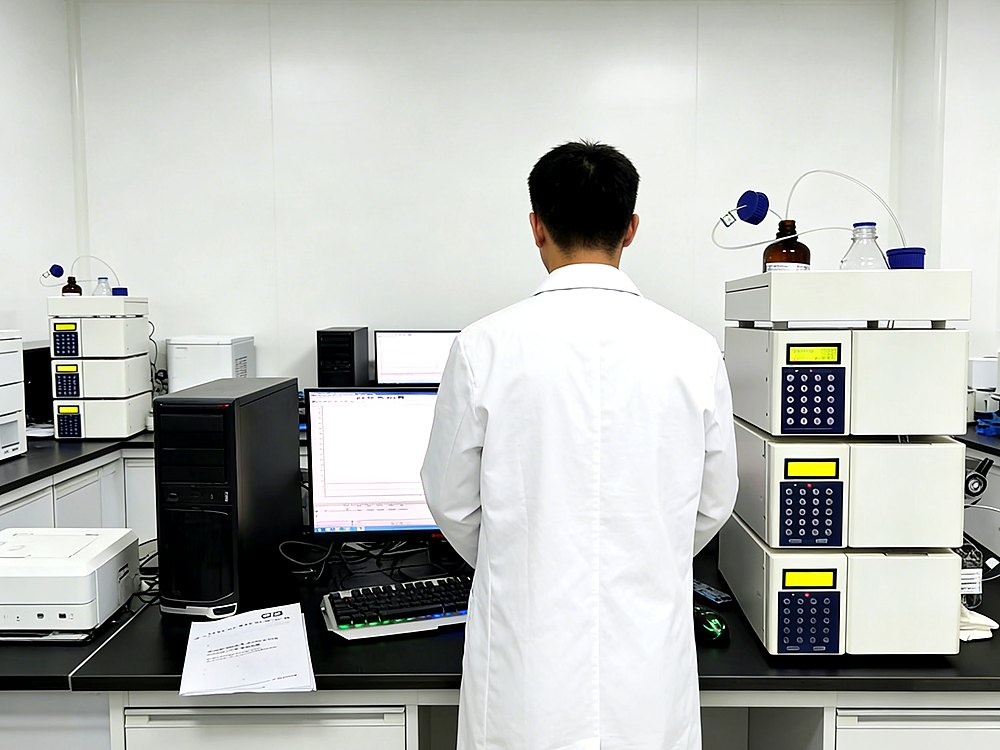
Portable Water Quality Analyzer
Best starting point for
Field sampling and on-site screening
Confirm field method, battery, reagents, and environmental conditions.
View productCompare portable and laboratory water-quality workflows by location, parameters, digestion, throughput, power, quality control, and reporting.
Direct Answer
Best starting point for
Field sampling and on-site screening
Confirm field method, battery, reagents, and environmental conditions.
View productBest starting point for
Controlled laboratory measurement and batch workflow
Confirm digestion, reagent, calibration, and reporting scope.
View product| Criterion | Portable Water Quality Analyzer | Benchtop Water Quality Analyzer |
|---|---|---|
| Use location | Field and on-site | Laboratory bench |
| Primary advantage | Portability and rapid local decisions | Controlled workflow and repeatable batch handling |
| Method support | Field-compatible method must be confirmed | Laboratory method and digestion must be confirmed |
| RFQ focus | Parameters, battery, case, reagents, calibration | Parameters, digestion, reagents, throughput, reporting |
Is the result needed in the field or laboratory?
Which parameters, ranges, and methods apply?
Is digestion required?
How will calibration and QC be performed?