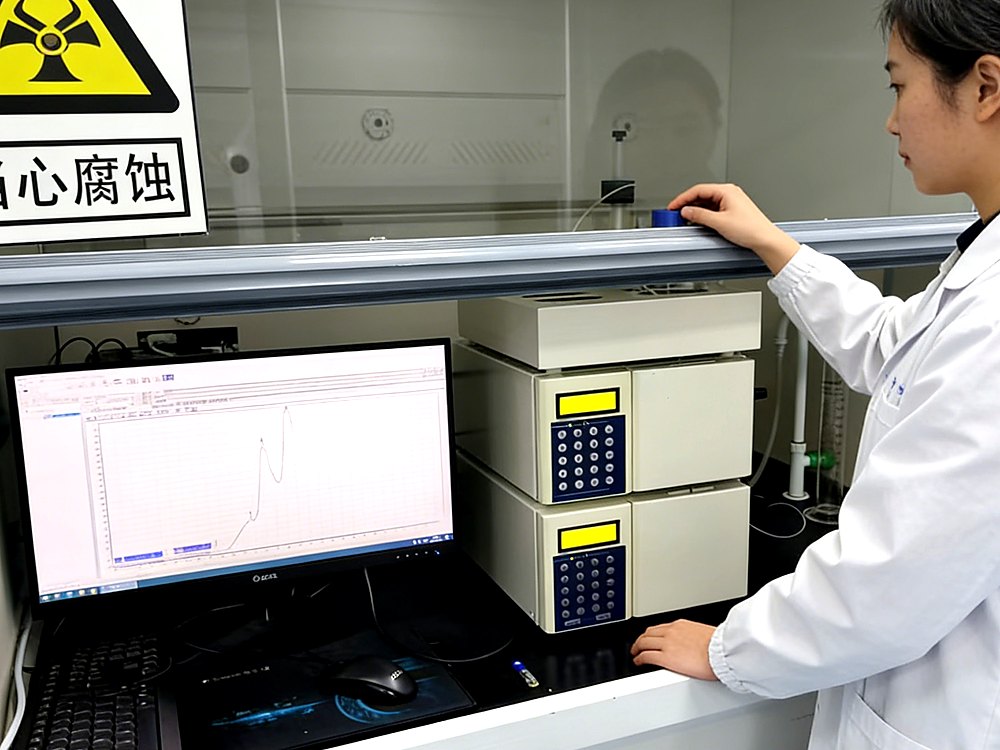
Isocratic suitability
Isocratic operation can be simpler for stable routine methods.
Fixed mobile-phase composition
Moderate sample complexity
Acceptable retention window
Straightforward equilibration and operation
Understand when fixed-composition isocratic HPLC is sufficient and when a gradient-capable system is required.
Direct Answer
Isocratic operation can be simpler for stable routine methods.
Fixed mobile-phase composition
Moderate sample complexity
Acceptable retention window
Straightforward equilibration and operation
Gradient operation adds flexibility for complex separations.
Wide analyte polarity range
Late-eluting compounds
Method requires solvent programming
Need to improve run time or peak distribution
Gradient capability affects pump configuration and method setup.
Solvent channels and mixing mode
Degassing and dwell volume
Method transfer and equilibration
Software control and qualification
Published or validated method
Mobile-phase program
Number and polarity range of analytes
Required run time
Pump and mixing configuration
Future method flexibility
These products are relevant starting points; final suitability depends on the complete method and configuration.
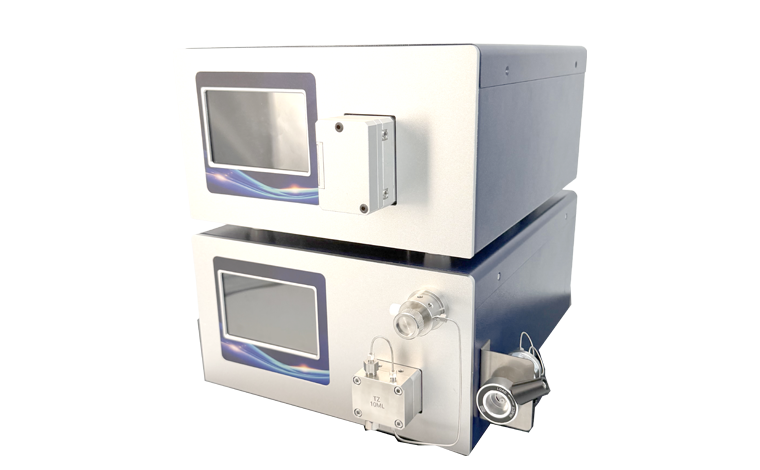
LC8010
Isocratic HPLC system for stable routine methods where a fixed mobile-phase composition is required.
Workflow fit
Sample injection -> Separation method -> Detector output -> Chromatogram review
RFQ: Target method or analytes
RFQ: Detector and pump configuration
Routine QC methods / Teaching laboratories
Details
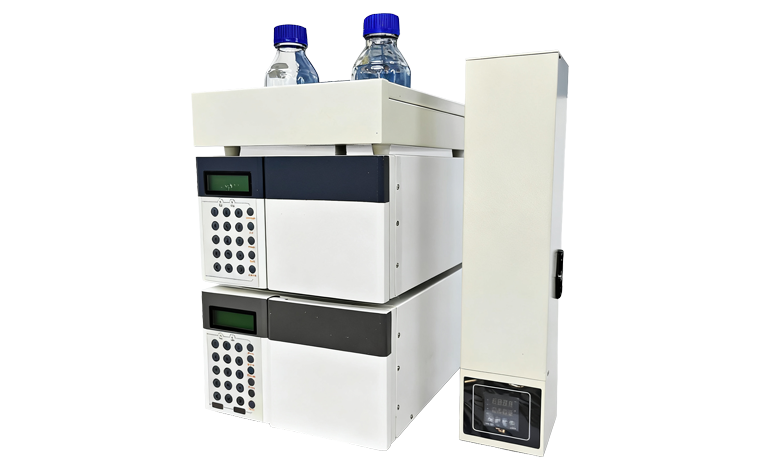
LC500 HPLC
High performance liquid chromatography system for routine analytical separation, quality control, and laboratory method work.
Workflow fit
Sample injection -> Separation method -> Detector output -> Chromatogram review
RFQ: Target method or analytes
RFQ: Detector and pump configuration
Pharmaceutical quality control / Food and agricultural testing
Details