Proposed Flame AAS Configuration for University Multi-Element Analysis
A university-related laboratory procurement project required a flame atomic absorption system for elemental analysis of water, wastewater, soil, construction-material, and general research samples. The proposed A3F configuration combines an air-acetylene flame system with optional nitrous oxide-acetylene capability, background correction, software control, element lamps, gas-safety accessories, a computer, and power conditioning. This is a proposed solution prepared from an anonymized RFQ and manufacturer documentation. It is not a delivery, installation, or analytical performance report.
Status
Proposal only
Proposed model
A3F flame AAS
Element scope
13 elements
Proposal status and evidence boundary
This engineering note records a proposed RFQ configuration based on anonymized requirements and manufacturer documentation. It does not claim that the system was purchased, delivered, installed, commissioned, or validated on customer samples. Final suitability remains subject to method and project confirmation.
Project context
What the laboratory asked the supplier to configure
Customer profile
University-related laboratory procurement through a local laboratory equipment supplier
Application
Multi-element analysis for environmental, soil, construction-material, and general research samples
Target elements
Ca, Mg, Fe, Cu, Zn, Mn, Na, K, Pb, Cd, Cr, Ni, and Al
Sample scope
Water and wastewater, soil, construction-material, and general laboratory research samples
Spectral range
185-900 nm or better
Light source
Hollow cathode lamps with automatic wavelength selection
Background correction
Automatic background correction required
Flame scope
Air-acetylene required; nitrous oxide-acetylene preferred
Operation
Computer control with analysis and reporting software
Project support
Installation guidance, training support, warranty, and export-ready accessories
Proposed architecture
Main instrument, flame options, lamps, software, and installation accessories
The configuration is presented as a connected laboratory system. Every item remains subject to the final quotation, analytical method, local utilities, and contract scope.
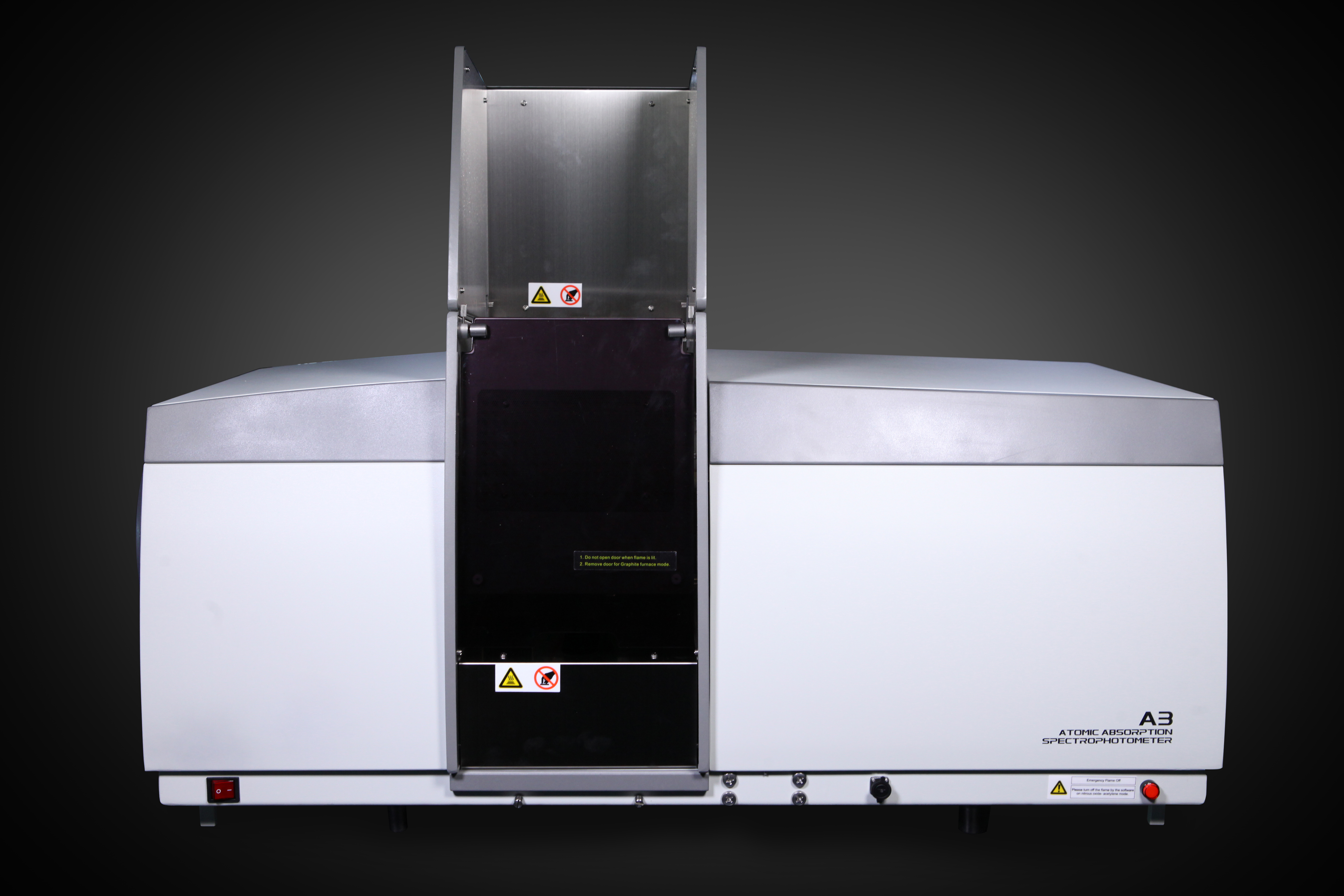
A3F flame AAS main unit
185-910 nm wavelength range, automatic scanning, single-beam optics, software-selectable bandwidth, and flame atomization
Why it was proposed: The documented spectral range meets the RFQ range requirement and supports the requested flame-based elemental workflow.
Air-acetylene flame system
Standard 100 mm single-slot burner with fixed-position glass nebulizer and flame safety monitoring
Why it was proposed: Air-acetylene is the primary flame for routine analysis of many of the requested elements.
Nitrous oxide-acetylene option
50 mm burner, compatible regulator, and associated gas-control accessories
Why it was proposed: A higher-temperature flame is relevant when aluminum and other refractory-element methods are mandatory.
Lamp package
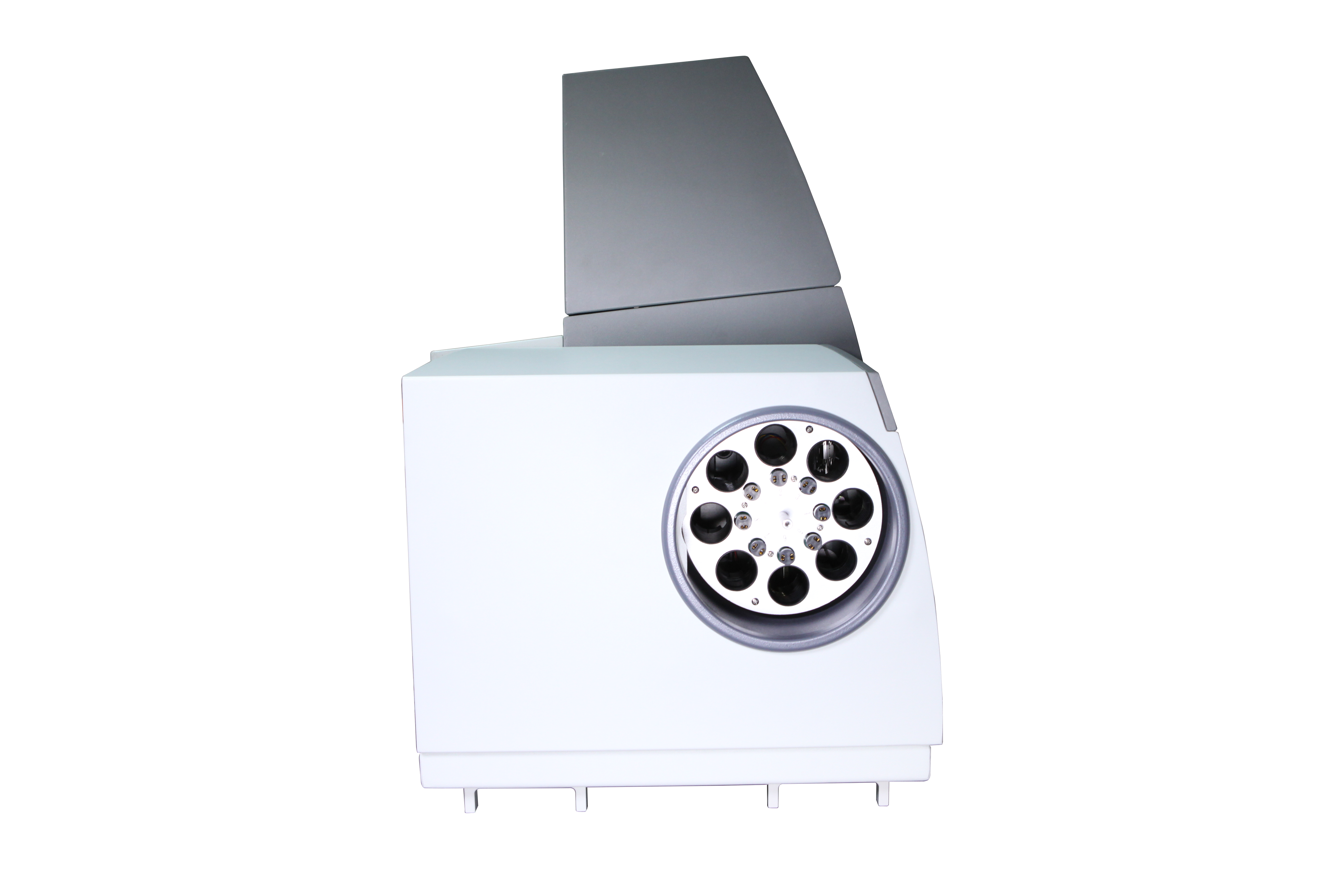
Two hollow cathode lamps for each of 13 requested elements, 26 lamps in total
Why it was proposed: The quotation package provides one working lamp plus one spare per requested element. The instrument turret accepts eight lamps at one time, so the complete set is not loaded simultaneously.
Background correction
Deuterium-lamp and self-reversal background correction as documented for the A3 platform
Why it was proposed: Background correction is important when matrix absorption or scattering affects the analytical signal.
Computer and software
PC workstation with AA-Win 3.0 control, acquisition, calibration, result storage, and reporting functions
Why it was proposed: Computer control addresses the RFQ requirement for instrument operation, method setup, data handling, and reporting.
Gas, sample-introduction, and safety accessories
Air compressor, gas regulators, acetylene flame arrestor, Type II nebulizer, differential-pressure flow controller, and required tubing/fittings
Why it was proposed: The instrument must be quoted as an operable analytical system rather than as a main unit alone.
Power conditioning
10 kVA voltage stabilizer and project-specific electrical confirmation
Why it was proposed: Power conditioning was included to reduce installation risk where local mains stability requires additional protection.
Engineering rationale
The decisions that matter more than the model name
Start with the element list and concentration range
The requested element list supports a flame AAS discussion, but the final atomization choice cannot be confirmed from element names alone.
Confirm expected concentration ranges for every element.
Review the applicable analytical method and required reporting limits.
Confirm digestion, dilution, matrix interference, and quality-control procedures.
Treat aluminum as a configuration decision
The manufacturer documentation identifies nitrous oxide-acetylene as an option for higher-temperature flame work, including aluminum.
Confirm whether aluminum is mandatory in the final scope.
Verify the selected aluminum method and required range.
Confirm local availability, regulation, and safe handling of nitrous oxide and acetylene.
Separate lamp inventory from turret capacity
The project package lists 26 element lamps, while the proposed instrument uses an eight-position automatic turret.
Only the lamps needed for the current method sequence are installed in the turret.
Additional lamps remain in protected storage until required.
Lamp coding, current settings, warm-up procedure, and replacement planning should be included in training.
Plan the complete laboratory installation
A flame AAS project depends on utilities and safety controls outside the spectrometer itself.
Confirm gas-cylinder standards, regulators, ventilation, and exhaust arrangements.
Confirm electrical supply, grounding, bench space, and computer requirements.
Agree whether installation and training will be remote, local, or performed on site.
Configuration alternatives
When the proposed scope should change
Standard air-acetylene flame configuration
Consider when
When aluminum and other higher-temperature flame methods are removed from the confirmed scope.
Important limitation
It should not be assumed to cover every requested element and method without method-specific confirmation.
Flame plus graphite-furnace AAS
Consider when
When required reporting limits are below the practical capability of the confirmed flame methods.
Important limitation
Graphite-furnace scope changes the instrument, utilities, consumables, training, and quotation.
Hydride-generation accessory
Consider when
When the final element list and method include hydride-forming elements at suitable ranges.
Important limitation
No hydride requirement was confirmed in the supplied RFQ package.
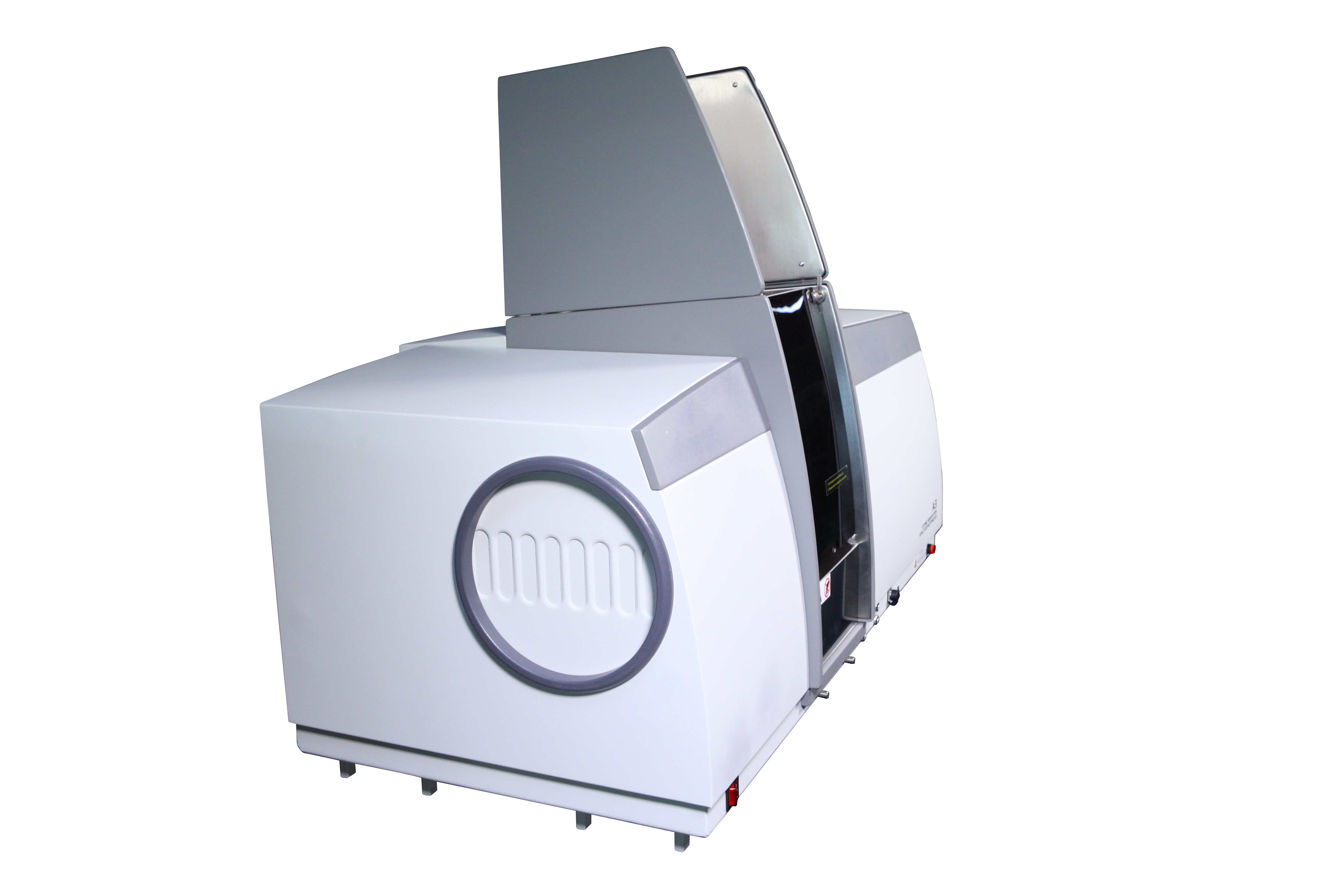
Manufacturer reference images
Proposed A3 platform
These images were supplied with the manufacturer product material. They document the proposed platform and do not show the customer laboratory or a completed installation.
Before final quotation
Information that still requires confirmation
Expected concentration and reporting range for each of the 13 elements
Applicable standards or laboratory methods
Whether aluminum analysis is mandatory and which flame method will be used
Sample digestion and dilution procedures for soil and construction-material samples
Required method detection limits, accuracy, repeatability, recovery, and QC acceptance criteria
Gas availability, cylinder connections, regulators, ventilation, and local safety requirements
Laboratory voltage, frequency, grounding, bench space, and exhaust conditions
Final installation, commissioning, training, warranty, spare-parts, and delivery scope
FAQ
Questions about this proposed flame AAS configuration
Is the proposed A3F configuration a completed university installation?
No. This page is an RFQ engineering note describing a proposed configuration. It does not claim purchase, delivery, installation, commissioning, or verified analytical results.
Can one flame configuration measure all 13 requested elements?
Not automatically. The final decision depends on the method, concentration range, sample matrix, and required reporting limit for each element. Air-acetylene covers many routine flame AAS methods, while aluminum may require a higher-temperature nitrous oxide-acetylene flame.
Why was a nitrous oxide-acetylene burner included?
It was proposed because the RFQ includes aluminum and the manufacturer documentation positions nitrous oxide-acetylene for higher-temperature flame analysis of aluminum and other refractory elements. Final suitability still requires method confirmation.
Why are 26 hollow cathode lamps proposed if the turret has eight positions?
The package proposes two lamps for each of 13 elements, providing a working lamp and a spare. The automatic turret holds up to eight lamps at a time; lamps are changed according to the active methods.
Does the proposed A3F include graphite-furnace capability?
No. A3F is the flame-only configuration described in the manufacturer documentation. If the confirmed reporting limits require graphite-furnace analysis, the system architecture and quotation should be revised.
What information is needed before a final AAS quotation?
Provide the element list, expected ranges, sample matrices, reference methods, digestion procedure, required reporting limits, daily workload, gas and ventilation conditions, voltage, accessories, installation plan, and documentation requirements.
Continue the evaluation
Compare the method, configuration, and project scope
Send the element list, concentration ranges, sample matrices, reference methods, daily workload, utilities, and required documents for a project-specific review.
DL-AAS2800 Flame Atomic Absorption Spectrophotometer
Related flame AAS platform in the current catalog. It is not represented as the exact A3F model proposed in this RFQ.
Spectroscopy and Elemental Analysis
Review the wider spectroscopy and elemental-analysis workflow.
How to Choose an Atomic Absorption Spectrophotometer
Use the selection checklist before finalizing the RFQ.
Request an AAS configuration review
Send the method and project information for quotation support.