1. Define the analytical task
List the sample matrix, target analytes, expected concentration range, applicable method or standard, and the decision the result must support.
Instrument selection depends on sample type, target analytes, throughput, accessories, software, voltage, and documents required for procurement.
Select HPLC, UPLC, GC, GPC, detector, and post-column modules according to method, analytes, sensitivity, and throughput.
Confirm test parameters, detection range, digestion needs, reagent workflow, field or benchtop use, and documentation requirements.
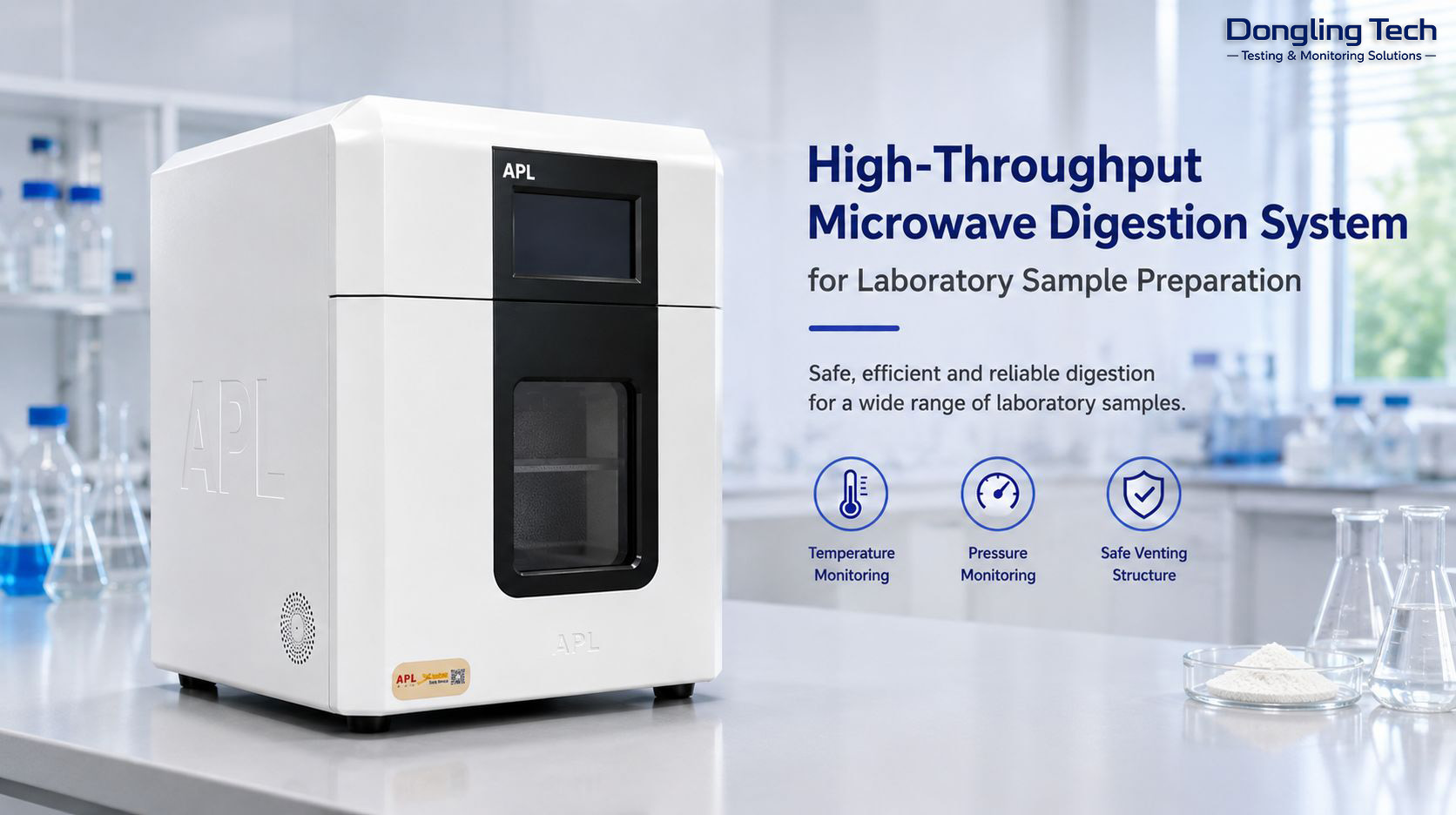
Match microwave digestion, water digestion, or purge-and-trap instruments to sample matrix and downstream analytical method.
Select UV-visible or atomic absorption systems based on measurement type, element list, accessories, and routine QC workload.
Procurement Framework
A useful recommendation begins with the method and sample, not with a model number.
List the sample matrix, target analytes, expected concentration range, applicable method or standard, and the decision the result must support.
Choose chromatography, spectroscopy, water-quality analysis, or sample preparation according to selectivity, sensitivity, throughput, and downstream workflow.
Specify detector, pump, injector, column, digestion vessel, accessories, software, gas supply, voltage, plug, and workstation requirements.
Confirm installation, training, consumables, spare parts, warranty, English documents, packing, delivery terms, and destination requirements before quotation.
Frequently Asked Questions
These answers provide an initial screening framework. Final configuration should be confirmed against the applicable method and project requirements.
Choose HPLC for established routine methods, broad column availability, straightforward maintenance, and moderate pressure requirements. Consider UPLC when the validated method, smaller-particle columns, shorter run time, higher throughput, and available service capability justify the higher-pressure platform.
An isocratic system is suitable when the mobile-phase composition remains constant throughout the run and the analytes can be separated within an acceptable time. Gradient capability is preferable for complex samples, compounds with a wide polarity range, or methods that require programmed solvent changes.
Start with the required parameters and ranges, then confirm digestion and reagent workflow, sample throughput, calibration approach, field or benchtop use, data output, consumables, and the applicable local test method. Do not select only by the number of listed parameters.
Provide the application, sample type, target analytes or method, expected range, throughput, preferred model, required accessories, destination voltage and plug, quantity, documentation needs, delivery country, and desired timeline.